


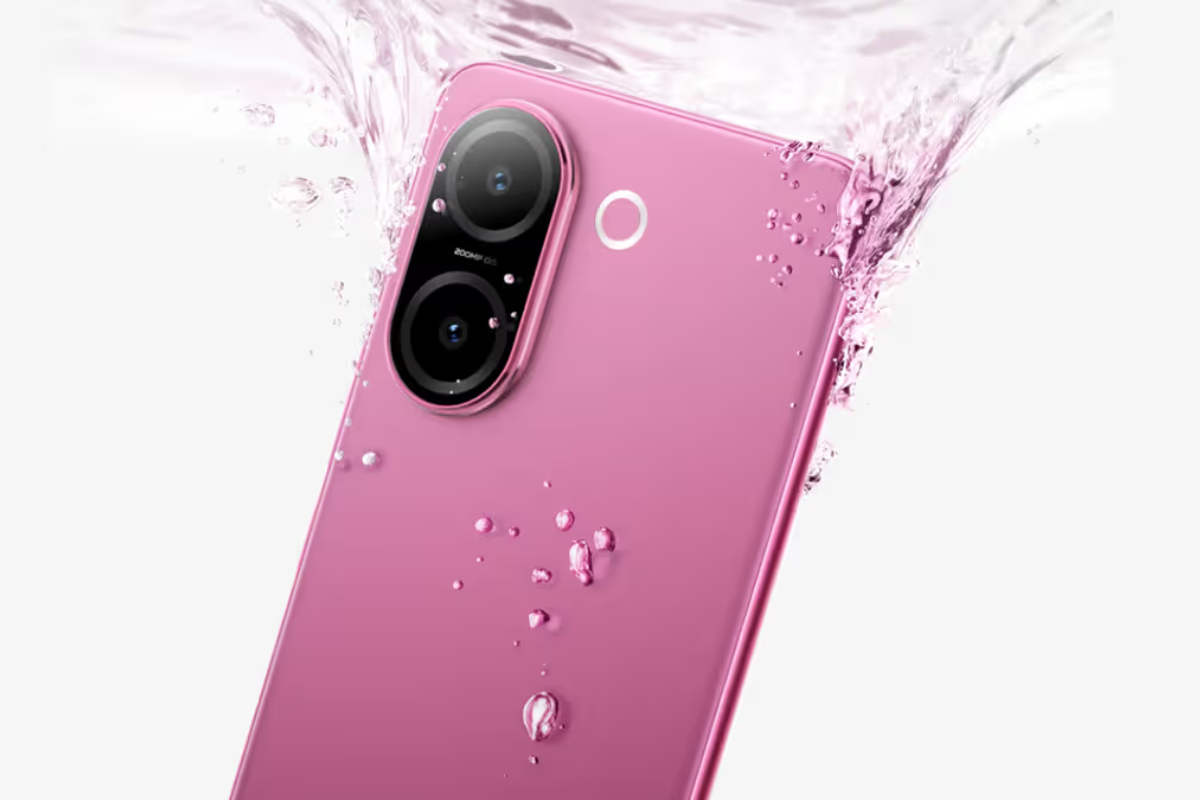
Vivo has been steadily making its mark in the smartphone industry with devices that balance performance, design, and affordability. Among its lineup, the Vivo V50e 5G and Vivo V60e 5G have been popular choices for users looking for mid-range 5G smartphones. But if you already own the V50e, is it worth upgrading to the V60e? In this blog, we’ll take a comprehensive look at both devices, compare their features, and help you make an informed decision.
Quick Overview: Vivo V60e 5G vs Vivo V50e 5G
Before diving into the detailed comparison, let’s look at a basic information table highlighting the key specs of both smartphones.
| Feature | Vivo V60e 5G | Vivo V50e 5G |
|---|---|---|
| Display | 6.44-inch AMOLED, FHD+, 60Hz | 6.44-inch AMOLED, FHD+, 60Hz |
| Processor | MediaTek Dimensity 900 | Qualcomm Snapdragon 765G |
| RAM & Storage | 8GB RAM, 128GB Storage | 8GB RAM, 128GB Storage |
| Rear Camera | Triple: 64MP + 2MP + 2MP | Dual: 48MP + 2MP |
| Front Camera | 32MP | 32MP |
| Battery | 4300mAh, 33W fast charging | 4310mAh, 33W fast charging |
| OS | Android 12, Funtouch OS 12 | Android 11, Funtouch OS 11 |
| Connectivity | 5G, Wi-Fi 6, Bluetooth 5.1 | 5G, Wi-Fi 5, Bluetooth 5.0 |
| Weight | 175g | 181g |
| Price (Approx) | ₹24,990 | ₹19,990 |
Design and Display: A Familiar Yet Refined Look
At first glance, the Vivo V60e 5G and V50e 5G appear similar. Both feature a sleek design with an AMOLED display and minimal bezels, offering vibrant colors and good viewing angles.
-
Vivo V50e 5G: It sports a 6.44-inch AMOLED display with a 60Hz refresh rate. The phone is slightly heavier at 181 grams. The overall build feels solid and premium, with a gradient back panel.
-
Vivo V60e 5G: The V60e retains the 6.44-inch AMOLED display but is slightly lighter at 175 grams. Vivo has improved the ergonomics slightly, making it easier to handle for long durations.
Verdict: If you prioritize a lighter, slightly more refined build, the V60e has a small but noticeable advantage. However, display performance is almost identical in real-world usage.
Performance and Software: Power Under the Hood
Performance is one of the most critical factors when deciding on an upgrade.
-
Vivo V50e 5G: Powered by the Qualcomm Snapdragon 765G chipset, the V50e delivers smooth day-to-day performance. Apps load quickly, multitasking is handled efficiently, and the phone can run most games at medium settings without any hiccups. The device runs on Android 11 with Funtouch OS 11, which is feature-rich but slightly dated now.
-
Vivo V60e 5G: The new MediaTek Dimensity 900 chipset powers the V60e. This processor provides better performance in gaming and heavy multitasking compared to the V50e. Additionally, the V60e runs on Android 12 with Funtouch OS 12, offering enhanced software features, improved security, and smoother animations.
Verdict: The V60e has a clear advantage in performance, especially for users who want future-proofing and better software support.
Camera Comparison: Imaging Capabilities
Camera upgrades are often a decisive factor for smartphone buyers.
-
Vivo V50e 5G: Equipped with a dual rear camera setup (48MP + 2MP), the V50e captures sharp and detailed images in daylight. Night mode performance is decent but struggles under very low light. The front 32MP camera is excellent for selfies and video calls.
-
Vivo V60e 5G: The V60e upgrades to a triple rear camera system (64MP + 2MP + 2MP). The main sensor captures more detail, and the added lens improves depth perception for portrait shots. Night mode is slightly better, producing brighter and clearer low-light images. The front camera remains the same 32MP unit.
Verdict: If photography is important, the V60e offers subtle but useful improvements, particularly in low-light and portrait photography.
Battery Life and Charging
Both smartphones come with similar battery capacities (around 4300mAh) and support 33W fast charging.
-
Vivo V50e 5G: Provides a full day of moderate usage. Fast charging gets you from 0% to 60% in about 30 minutes.
-
Vivo V60e 5G: Battery life is similar in daily use, but software optimizations on Android 12 provide slightly better power efficiency. Fast charging performance is identical.
Verdict: Battery life isn’t a significant differentiator, but software optimizations in the V60e may offer marginal improvements.
Connectivity and Extra Features
Connectivity improvements can influence your long-term experience with the phone.
-
V50e 5G: 5G support, Wi-Fi 5, Bluetooth 5.0. Standard connectivity for a mid-range phone in 2023.
-
V60e 5G: 5G, Wi-Fi 6, Bluetooth 5.1. Faster Wi-Fi speeds and more stable connections, especially in dense networks.
Other features like the fingerprint sensor, face unlock, and sound quality remain similar in both devices.
Verdict: Connectivity upgrades make the V60e slightly more future-proof.
Price and Value: Is the Upgrade Worth It?
The Vivo V50e 5G is priced around ₹19,990, while the V60e 5G comes at approximately ₹24,990. That’s a ₹5,000 difference, which could be a deciding factor for many buyers.
-
Consider upgrading if: You want better performance, slightly improved cameras, Android 12, and faster Wi-Fi connectivity.
-
Stick with V50e if: Your current phone meets your daily needs, and you’re satisfied with its performance and cameras.
Final Verdict: Should You Upgrade?
The Vivo V60e 5G offers noticeable upgrades over the V50e, including a better processor, upgraded camera system, Android 12, and faster connectivity. However, if your primary needs are casual usage, social media, and standard camera shots, the V50e still holds strong.
Bottom line: For tech enthusiasts and future-proof users, upgrading makes sense. For casual users looking for a budget-friendly option, staying with the V50e is perfectly reasonable.
