


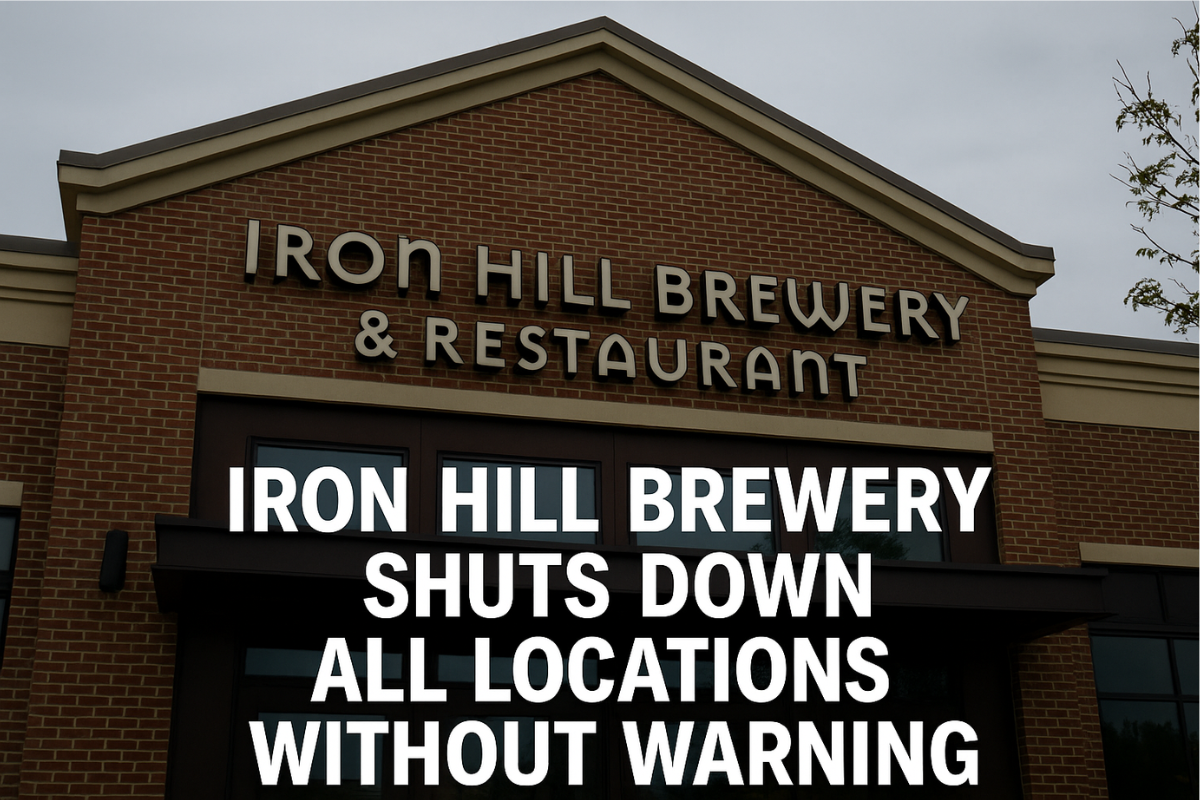
In a shocking and unexpected move, Iron Hill Brewery has closed all 15 of its breweries and restaurants nationwide without any prior notice, leaving employees and customers alike stunned. The sudden announcement, made on a Wednesday, revealed that the company had filed for bankruptcy, effectively ending operations at all its locations.
The news has reverberated across the communities where Iron Hill had established a strong presence, with loyal customers and employees left grappling with the abrupt changes. The closures include locations in Pennsylvania, New Jersey, Delaware, Georgia, and South Carolina, marking the end of a popular chain known for its craft beers and vibrant dining experiences.
Immediate Impact on Employees and Customers
The most immediate impact of Iron Hill Brewery’s shutdown has been on its employees, many of whom found themselves suddenly unemployed without warning. Former employees expressed a mixture of shock, disbelief, and uncertainty regarding their next steps.
Lauren Brown, a former employee of the Center City location, described the closure as “so fresh, it’s so shocking. We need a second.” Brown’s reaction reflects the sentiment of many staff members who were unaware that the company was facing severe financial difficulties.
Jordan Corporal, who also lost his job unexpectedly, shared the personal impact of the closure: “It is an uprooting, I guess, trying to figure out where to go from here.” Corporal and his girlfriend, who worked at the same brewery, now have to navigate sudden unemployment amidst an uncertain job market.
Even customers were caught by surprise. Sam Jenkins of Pennsauken, a frequent visitor to the brewery, noted the suddenness of the closure: “It be jammed packed in here. I’m very surprised.” Regular patrons who enjoyed the brewery’s atmosphere and craft beer offerings were left disappointed and confused by the unexpected news.
Key Information at a Glance
| Information | Details |
|---|---|
| Company Name | Iron Hill Brewery |
| Number of Locations Closed | 15 |
| States Affected | Pennsylvania, New Jersey, Delaware, Georgia, South Carolina |
| Reason for Closure | Filed for bankruptcy due to financial difficulties |
| Date of Closure | Wednesday, [Insert exact date if known] |
| Employee Reactions | Shock, disbelief, sudden unemployment |
| Customer Reactions | Surprise and disappointment |
| Previous Closures | Earlier in the month, three other locations closed suddenly |
| Company Statement | “Due to ongoing financial challenges, the company has made the difficult decision to file for bankruptcy and regrettably will be permanently closing its doors.” |
| Company Response to Media | No response to Action News requests for comment |
This table provides readers with a clear and concise overview of the situation, allowing them to understand the key points of the sudden closure at a glance.
Financial Challenges and Rapid Expansion
Industry experts speculate that Iron Hill Brewery’s rapid expansion may have contributed to its sudden collapse. Opening multiple locations across several states requires significant capital, operational oversight, and consistent profitability. According to former employees, the company may have “bitten off more than it could chew,” suggesting that financial overextension played a major role in the bankruptcy decision.
The company had previously closed three locations earlier in the same month, indicating that financial troubles were already affecting its operations. However, these prior closures did not prepare employees or customers for the chain-wide shutdown that followed.
Expansion in the restaurant and brewery industry can be a double-edged sword. While it allows a brand to reach new markets and increase revenue potential, it also amplifies operational complexity and financial risk. For Iron Hill Brewery, it appears that rapid growth may have outpaced the company’s ability to sustain its operations.
Employee Reactions and Challenges Ahead
Employees faced not only the loss of income but also the emotional impact of abrupt unemployment. Many were blindsided, learning about the closure through internal company communication or word of mouth.
Lauren Brown, a former Center City employee, described her disbelief at the sudden announcement. Similarly, Jordan Corporal had to confront the reality of immediate unemployment, emphasizing the personal and logistical challenges employees now face.
For many employees, finding new employment in the food and beverage industry can be difficult, especially when closures occur unexpectedly. Benefits such as health insurance, retirement contributions, and other workplace perks may also end abruptly, adding financial strain to an already stressful situation.
Customer Reactions and Community Impact
The closure of Iron Hill Brewery has also left a void in the communities where it operated. Regular customers, who relied on the brewery for social gatherings and a casual dining experience, expressed disappointment and confusion.
Sam Jenkins, a loyal customer from Pennsauken, noted the unusual busyness of the location on the day of closure, highlighting the unexpected nature of the announcement. The sudden absence of Iron Hill’s establishments has disrupted social routines and left local communities without a previously cherished gathering place.
The impact on the local economy cannot be understated. Breweries like Iron Hill contribute to employment, tourism, and small business ecosystems in the areas they operate. Suppliers, vendors, and other businesses connected to the brewery chain may also feel the repercussions of this sudden closure.
Lessons from the Closure
Iron Hill Brewery’s abrupt shutdown serves as a cautionary tale for both businesses and consumers. From a business perspective, it underscores the importance of sustainable growth, financial management, and contingency planning. Expanding too quickly without a solid financial and operational foundation can lead to severe consequences, as seen in this case.
For consumers, the closure illustrates the unpredictable nature of the restaurant and hospitality industry. Businesses that appear successful and popular may still face unseen financial difficulties. Loyal customers may experience inconvenience and disappointment, highlighting the importance of flexibility and adaptability in lifestyle planning.
Industry Perspective
Industry analysts suggest that several factors likely contributed to Iron Hill Brewery’s closure:
- Rapid Expansion: Opening multiple locations in different states increases complexity and financial demands.
- Operational Costs: Running full-service breweries involves high overhead costs, including staff, inventory, and utilities.
- Market Competition: The craft beer industry has become increasingly competitive, making profitability a challenge.
- Economic Conditions: Broader economic pressures, including inflation and labor shortages, may have compounded financial challenges.
Analysts also point to the broader trend of bankruptcy and closures in the hospitality sector. Many businesses, particularly in the restaurant and brewery industries, face high volatility and thin profit margins, making them vulnerable to sudden disruptions.
Future Outlook for Former Employees
For employees, the immediate focus is on finding new employment and financial stability. Some may leverage their experience to seek positions in other breweries, restaurants, or the hospitality industry at large. Others may consider career shifts, retraining, or pursuing entrepreneurial ventures.
Unemployment support programs, networking opportunities, and community assistance initiatives may provide temporary relief, but the long-term impact of sudden job loss can be significant.
Conclusion
The sudden closure of Iron Hill Brewery serves as a reminder of the unpredictable nature of business and the profound impact it can have on both employees and communities. While the brewery had established a strong presence and cultivated a loyal customer base, financial challenges ultimately led to a chain-wide shutdown without warning.
Employees are now navigating sudden unemployment, customers have lost a beloved social hub, and communities are adjusting to the absence of a well-known brewery chain. As the industry continues to evolve, the Iron Hill Brewery story will likely serve as a case study in the risks of rapid expansion and the importance of financial resilience.
The future of Iron Hill Brewery remains uncertain, with bankruptcy proceedings determining the next steps. Meanwhile, employees, customers, and industry observers will continue to grapple with the implications of this sudden and shocking closure.
